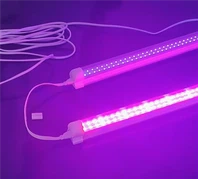
एलईडी लैंप पारंपरिक लैंप से बड़े क्यों होते हैं?
Mainly because of LED cooling technology. Heat dissipation is a major factor affecting the lighting intensity of LED lamps. The heat sink can solve the heat dissipation problem of low illumination LED lamps. A heat sink cannot solve the heat dissipation problem of 75W or 100W LED lamps. To achieve the desired lighting intensity, active cooling techniques must be used to account for the heat released by the LED luminaire components. Some active cooling solutions such as fans do not last as long as LED fixtures. In order to provide a practical active cooling solution for high-brightness LED luminaires, the cooling technology must be low energy consumption; suitable for small luminaires; and have a lifespan similar to or longer than the light source.
सामान्यतया, रेडिएटर से गर्मी को हटाने के तरीके के अनुसार रेडिएटर्स को सक्रिय कूलिंग और पैसिव कूलिंग में विभाजित किया जा सकता है।
Passive heat dissipation means that the heat of the heat source LED light source is naturally dissipated into the air through the heat sink. The heat dissipation effect is proportional to the size of the heat sink, but because it dissipates heat naturally, the effect is of course greatly reduced. It is often used in those who do not require space. For example, some popular motherboards also use passive heat dissipation on the north bridge, and most of them use active heat dissipation. Active heat dissipation is forced through cooling devices such as fans. The heat emitted by the heat sink is taken away, which is characterized by high heat dissipation efficiency and small size of the device.
एक्टिव कूलिंग को एयर कूलिंग, लिक्विड कूलिंग, हीट पाइप कूलिंग, सेमीकंडक्टर कूलिंग, केमिकल कूलिंग आदि में विभाजित किया जा सकता है। हवा-ठंडी हवा-ठंडी गर्मी अपव्यय सबसे आम गर्मी अपव्यय विधि है, और यह तुलना में एक सस्ता तरीका भी है। एयर कूलिंग अनिवार्य रूप से रेडिएटर द्वारा अवशोषित गर्मी को दूर करने के लिए एक पंखे का उपयोग है। इसमें अपेक्षाकृत कम कीमत और सुविधाजनक स्थापना के फायदे हैं। हालांकि, यह पर्यावरण पर अत्यधिक निर्भर है। उदाहरण के लिए, जब तापमान बढ़ता है और ओवरक्लॉकिंग होती है, तो इसका शीतलन प्रदर्शन बहुत प्रभावित होगा।
वर्तमान में, एलईडी लैंप के ताप अपव्यय में मुख्य रूप से निम्नलिखित विधियाँ शामिल हैं:
1. तरल शीतलन
तरल-ठंडा गर्मी अपव्यय पंप के ड्राइव के तहत रेडिएटर की गर्मी को दूर करने के लिए तरल का मजबूर परिसंचरण है। हवा की तुलना में -ठंडा, इसमें शांतता, स्थिर शीतलन और पर्यावरण पर कम निर्भरता के फायदे हैं। तरल शीतलन की कीमत अपेक्षाकृत अधिक है, और स्थापना अपेक्षाकृत परेशानी भरा है। उसी समय, सर्वोत्तम गर्मी अपव्यय प्रभाव प्राप्त करने के लिए मैनुअल में बताए गए तरीके के अनुसार स्थापित करने का प्रयास करें। लागत और उपयोग में आसानी के कारणों के लिए, तरल-ठंडा गर्मी अपव्यय आमतौर पर गर्मी हस्तांतरण तरल के रूप में पानी का उपयोग करता है, इसलिए तरल-ठंडा रेडिएटर को अक्सर पानी के रूप में संदर्भित किया जाता है-ठंडा रेडिएटर।
2. हीट पाइप
हीट पाइप एक प्रकार के हीट ट्रांसफर तत्व से संबंधित है। यह गर्मी चालन के सिद्धांत और प्रशीतन माध्यम की तेज गर्मी हस्तांतरण संपत्ति का पूरा उपयोग करता है। यह पूरी तरह से संलग्न वैक्यूम ट्यूब में तरल के वाष्पीकरण और संघनन के माध्यम से गर्मी को स्थानांतरित करता है। इसमें अत्यधिक उच्च तापीय चालकता और अच्छा इज़ोटेर्मल प्रदर्शन है। ठंड और गर्म पक्षों के दोनों किनारों पर गर्मी हस्तांतरण क्षेत्र को मनमाने ढंग से बदला जा सकता है, लंबी -दूरी गर्मी हस्तांतरण, तापमान नियंत्रण और फायदे की एक श्रृंखला, और गर्मी पाइप से बने ताप विनिमायक में उच्च गर्मी के फायदे हैं स्थानांतरण दक्षता, कॉम्पैक्ट संरचना, कम द्रव प्रतिरोध हानि, आदि लाभ। इसकी तापीय चालकता किसी भी ज्ञात धातु से कहीं अधिक है।
3. सेमीकंडक्टर प्रशीतन
सेमीकंडक्टर रेफ्रिजरेशन एक विशेष सेमीकंडक्टर रेफ्रिजरेशन शीट का उपयोग तापमान अंतर उत्पन्न करने के लिए होता है जब इसे ठंडा करने के लिए सक्रिय किया जाता है। जब तक उच्च तापमान पक्ष पर गर्मी को प्रभावी ढंग से समाप्त किया जा सकता है, तब तक कम तापमान वाला पक्ष लगातार ठंडा रहता है। प्रत्येक अर्धचालक कण पर एक तापमान अंतर उत्पन्न होता है, और एक रेफ्रिजरेटिंग शीट श्रृंखला में ऐसे दर्जनों कणों से बनी होती है, जिससे रेफ्रिजरेटिंग शीट की दो सतहों के बीच तापमान का अंतर बनता है। इस तापमान अंतर घटना का उपयोग करके, उच्च तापमान अंत को ठंडा करने के लिए एयर कूलिंग / वाटर कूलिंग के साथ, एक उत्कृष्ट गर्मी अपव्यय प्रभाव प्राप्त किया जा सकता है। सेमीकंडक्टर प्रशीतन में कम प्रशीतन तापमान और उच्च विश्वसनीयता के फायदे हैं। ठंडी सतह का तापमान शून्य से 10 डिग्री नीचे तक पहुंच सकता है, लेकिन लागत बहुत अधिक है, और बहुत कम तापमान के कारण शॉर्ट सर्किट हो सकता है, और अर्धचालक प्रशीतन की वर्तमान तकनीक अपरिपक्व और अपर्याप्त है। व्यावहारिक।
4. रासायनिक प्रशीतन
The so-called chemical refrigeration is to use some ultra-low temperature chemicals, and use them to absorb a lot of heat when they melt to reduce the temperature. The use of dry ice and liquid nitrogen is more common in this regard. For example, the use of dry ice can reduce the temperature to below -20 degree , and some more 'perverted' players use liquid nitrogen to reduce the CPU temperature to below -100 degree (theoretically), of course, due to the high price and too short duration, this The method is more common in the laboratory or extreme overclocking enthusiasts.
Choice of heat dissipation material. Generally speaking, ordinary air-cooled radiators naturally choose metal as the material of the radiator. For the selected material, it is hoped that it has both high specific heat and high thermal conductivity. Silver and copper are the best thermally conductive materials, followed by gold and aluminum. But gold and silver are too expensive, so at present, heat sinks are mainly made of aluminum and copper. In comparison, both copper and aluminum alloys have their own advantages and disadvantages: copper has good thermal conductivity, but it is expensive, difficult to process, heavy, and the heat capacity of copper radiators is small, and it is easy to oxidize. . On the other hand, pure aluminum is too soft to be used directly. Only aluminum alloys are used to provide sufficient hardness. The advantages of aluminum alloys are low price and light weight, but the thermal conductivity is much worse than that of copper. Therefore, in the development history of radiators, the following materials have also appeared:

1. शुद्ध एल्यूमीनियम गर्मी सिंक
शुद्ध एल्युमीनियम रेडिएटर शुरुआती दिनों में सबसे आम रेडिएटर है। इसकी निर्माण प्रक्रिया सरल है और लागत कम है। अब तक, शुद्ध एल्यूमीनियम रेडिएटर अभी भी बाजार के एक बड़े हिस्से पर कब्जा कर लेता है। अपने पंखों के गर्मी अपव्यय क्षेत्र को बढ़ाने के लिए, शुद्ध एल्यूमीनियम रेडिएटर्स के लिए सबसे अधिक इस्तेमाल की जाने वाली प्रसंस्करण विधि एल्यूमीनियम एक्सट्रूज़न तकनीक है, और शुद्ध एल्यूमीनियम रेडिएटर के मूल्यांकन के लिए मुख्य संकेतक रेडिएटर बेस और पिन की मोटाई हैं {{0 }}फिन अनुपात। पिन हीट सिंक के पंखों की ऊंचाई को संदर्भित करता है, और फिन दो आसन्न पंखों के बीच की दूरी को संदर्भित करता है। पिन-फिन अनुपात फिन द्वारा विभाजित पिन की ऊंचाई (आधार की मोटाई को छोड़कर) है। जितना बड़ा पिन-फिन रेशियो, रेडिएटर का प्रभावी उष्मा अपव्यय क्षेत्र उतना ही बड़ा, और एल्युमीनियम एक्सट्रूज़न तकनीक उतनी ही उन्नत।
2. शुद्ध कॉपर हीट सिंक
The thermal conductivity of copper is 1.69 times that of aluminum, so other things being equal, a pure copper heat sink can take heat away from the heat source faster. However, the texture of copper is a problem. Many advertised 'pure copper radiators' are not really 100 percent copper. In the list of copper, copper with a copper content of more than 99 percent is called acid-free copper, and the next grade of copper is Dan copper with a copper content of less than 85 percent . Most of the pure copper heat sinks on the market currently have a copper content between the two. The copper content of some inferior pure copper radiators is not even 85 percent . Although the cost is very low, its thermal conductivity is greatly reduced, which affects the heat dissipation. In addition, copper also has obvious shortcomings, such as high cost, difficult processing, and too much mass of the heat sink, which hinder the application of all-copper heat sinks. The hardness of red copper is not as good as that of aluminum alloy AL6063, and the performance of some mechanical processing (such as grooving) is not as good as that of aluminum; the melting point of copper is much higher than that of aluminum, which is not conducive to extrusion and other problems.
3. कॉपर-एल्यूमीनियम बॉन्डिंग तकनीक
तांबे और एल्यूमीनियम की संबंधित कमियों पर विचार करने के बाद, बाजार में कुछ उच्च-अंत रेडिएटर अक्सर तांबे-एल्यूमीनियम संयोजन निर्माण प्रक्रियाओं का उपयोग करते हैं। ये हीट सिंक आमतौर पर कॉपर मेटल बेस का उपयोग करते हैं, जबकि हीट सिंक फिन एल्यूमीनियम मिश्र धातु से बने होते हैं। बेशक, तांबे के आधार के अलावा, गर्मी सिंक के लिए तांबे के खंभे के उपयोग जैसे तरीके भी हैं, जो एक ही सिद्धांत है। उच्च तापीय चालकता के साथ, तांबे की निचली सतह सीपीयू द्वारा जारी गर्मी को जल्दी से अवशोषित कर सकती है; एल्यूमीनियम पंखों को जटिल प्रक्रिया साधनों की मदद से गर्मी अपव्यय के लिए सबसे अनुकूल आकार में बनाया जा सकता है, और एक बड़ी गर्मी भंडारण स्थान प्रदान करता है और इसे जल्दी से छोड़ देता है। सभी पहलुओं में संतुलन पाया गया है।
एलईडी की चमकदार दक्षता और सेवा जीवन में सुधार करने के लिए, एलईडी उत्पादों की गर्मी अपव्यय की समस्या को हल करना इस स्तर पर सबसे महत्वपूर्ण मुद्दों में से एक है। इसलिए, पतली-फिल्म सिरेमिक गर्मी-विघटित सब्सट्रेट बनाने के लिए पीले प्रकाश लिथोग्राफी का उपयोग एलईडी के निरंतर सुधार को उच्च शक्ति में बढ़ावा देने के लिए महत्वपूर्ण उत्प्रेरकों में से एक बन जाएगा।